
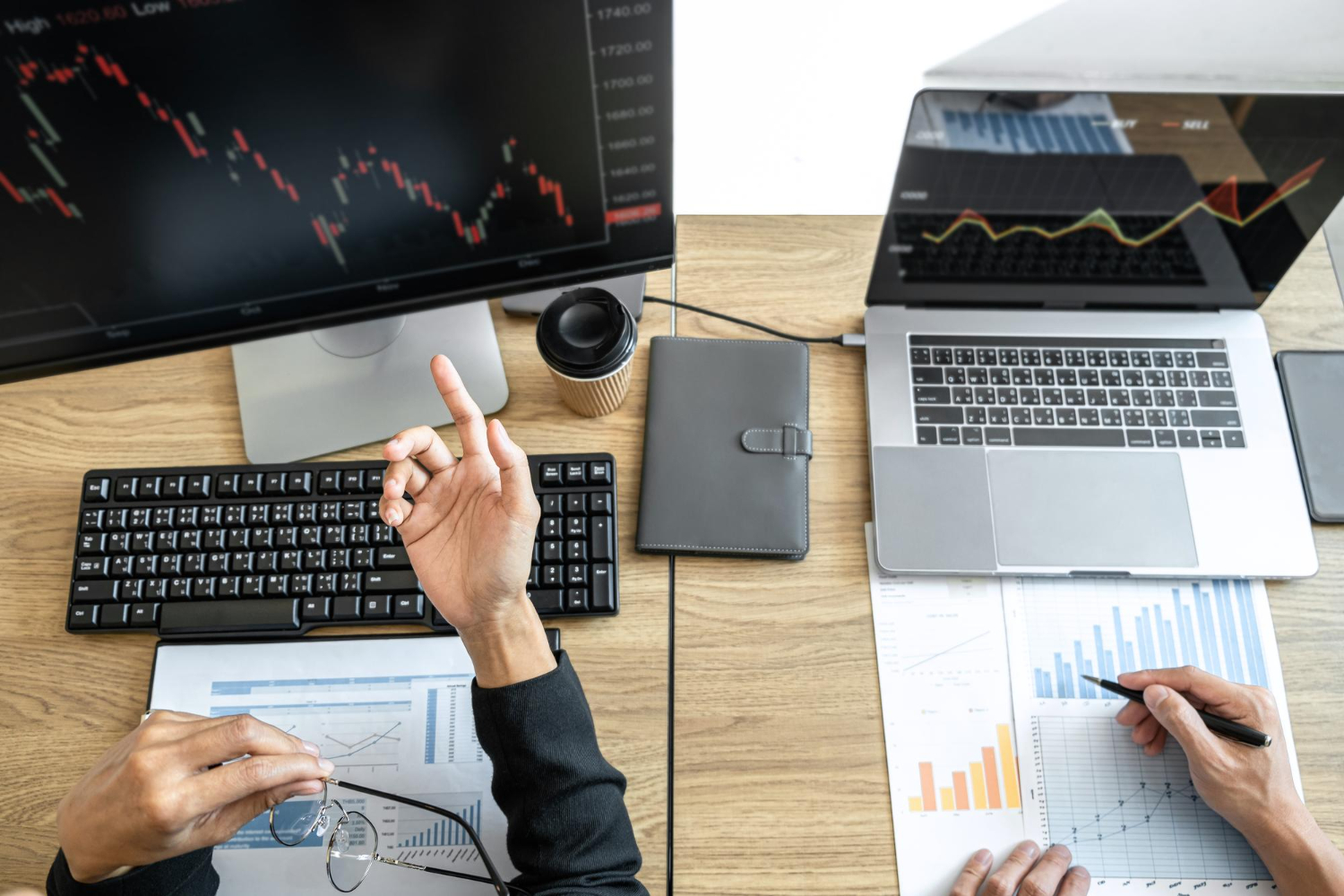
Navigating the world of Forex trading in Ghana can be a complex endeavor, especially when legal considerations come into play. Understanding the regulatory framework, licensing requirements, and legal implications is crucial for both novice and experienced traders. This article delves into the essential aspects of Forex trading legality in Ghana, including consumer protection measures and taxation on profits. Equip yourself with the knowledge necessary to trade confidently and legally in this dynamic financial market.
Overview of Forex Market
The foreign exchange (Forex) market operates around the clock and stands as the largest financial market in the world, with daily transactions exceeding $6 trillion, highlighting its significant scale and liquidity.
This market encompasses major currency pairs such as USD/EUR, GBP/USD, and USD/GHS, each exerting different influences on local traders. For example, fluctuations in the USD/GHS pair can have substantial implications for Ghanaian businesses that rely on imports priced in U.S. dollars.
Key trading hours include the overlap of the London and New York trading sessions, during which the highest trading volume is typically observed. A comprehensive understanding of these dynamics enables traders to navigate the market more effectively, allowing them to adjust their strategies in accordance with peak trading times and currency trends.
Importance of Understanding Legality
Understanding the legal framework governing Forex trading in Ghana is essential for traders to mitigate potential legal risks and ensure compliance. Non-compliance can result in substantial fines and even imprisonment, making it imperative to familiarize oneself with local regulations, such as the Securities Industry Act.
Traders are advised to register with the Securities and Exchange Commission (SEC) to operate within the legal parameters. Engaging reputable brokers who adhere to regulatory standards can provide protection against fraudulent activities.
Additionally, utilizing tools like Myfxbook can assist traders in tracking their trades and ensuring adherence to legal guidelines. By remaining well-informed and proactive regarding compliance, traders can safeguard their investments and enhance their credibility within the market.
Regulatory Framework for Forex Trading
The regulatory framework governing Forex trading in Ghana is established by prominent institutions responsible for ensuring compliance and safeguarding investor interests.
Key Regulatory Bodies
The Bank of Ghana plays a crucial role in regulating foreign exchange trading, ensuring that all brokers operating within the country adhere to established guidelines.
Along with the Bank of Ghana, several other regulatory bodies significantly influence the Forex trading environment. The Securities and Exchange Commission (SEC) is responsible for overseeing market integrity and protecting investors, while the Financial Intelligence Centre (FIC) monitors activities to prevent money laundering.
Furthermore, the Payments Systems and Services Act is instrumental in governing electronic payments associated with Forex transactions.
Collectively, these entities create a framework that fosters transparency and stability, ensuring that market participants can engage in trading activities within a fair and secure environment.
Relevant Laws and Regulations
Several key laws govern Forex trading in Ghana, including the Banking Act and the Foreign Exchange Act, which clearly delineate the rights and responsibilities of traders. The Securities Industry Act is particularly significant in terms of investor protection and maintaining market integrity.
It is imperative for traders to register with the Securities and Exchange Commission (SEC) to operate legally, thereby ensuring adherence to regulations designed to protect against fraudulent activities.
Recent amendments to the Foreign Exchange Act have introduced stringent penalties for unlawful currency trading, underscoring the government’s commitment to sustaining a stable financial environment.
Consequently, it is essential for traders to remain informed about these regulations in order to navigate the market effectively and mitigate the risks associated with non-compliance.
Licensing Requirements for Forex Brokers
Forex brokers in Ghana are required to comply with specific licensing regulations to operate legally and safeguard the interests of investors.
Types of Licenses
Forex brokers are required to obtain various types of licenses, with distinct categories for institutional and retail brokers, each having specific requirements.
For retail brokers, common licenses include those issued by the Financial Conduct Authority (FCA) in the United Kingdom, which places a strong emphasis on consumer protection and financial stability. In contrast, institutional brokers typically pursue licenses from the Commodity Futures Trading Commission (CFTC) in the United States, which enforces stringent regulatory standards to ensure market integrity.
In practice, this implies that a retail broker operating under FCA guidelines must adhere to a minimum capital requirement and segregate client funds. Meanwhile, a broker licensed by the CFTC must comply with rigorous reporting standards and undergo regular compliance checks.
Application Process
The application process for obtaining a Forex broker license in Ghana consists of several steps, including financial audits and compliance checks. To effectively navigate this process, it is advisable to follow these key steps:
- First, prepare a comprehensive business plan that outlines the proposed operations and market strategy.
- Next, gather essential documentation, including proof of capital, a compliance plan, and identification of key personnel.
- The application is typically submitted to the Securities and Exchange Commission, with a review period that may range from one to three months.
- Applicants should be prepared for a financial audit and compliance checks conducted by the regulatory body, which may extend the overall timeline of the process.
- Maintaining organization and thoroughness throughout the application will facilitate a smoother approval process.
Legal Implications for Traders
Traders in Ghana are encouraged to familiarize themselves with their rights and responsibilities as outlined by the law in order to avoid penalties and uphold fair trading practices.
Rights and Responsibilities
Traders are entitled to specific rights, including protection from fraudulent activities; however, they also bear responsibilities, such as adhering to trading regulations and accurately reporting profits.
Traders have the right to fair pricing and access to market information, which enables them to make informed decisions. For instance, if a trader identifies a pricing discrepancy, it is imperative that they report this to their brokerage. Additionally, traders must comply with regulations, such as the SEC’s requirements for profit reporting, to ensure adherence and avoid penalties.
Providing complete and accurate information throughout the trading process is essential for maintaining market integrity. This reciprocal relationship between rights and responsibilities is vital for fostering a trustworthy trading environment.
Consequences of Illegal Trading
Engaging in illegal trading practices can lead to significant repercussions, including substantial fines, loss of licenses, and potential criminal charges.
For example, in a notable case from 2018 involving a major investment firm, traders participated in insider trading and incurred fines exceeding $500 million, in addition to imprisonment for key executives.
Regulatory authorities, such as the Securities and Exchange Commission (SEC), enforce stringent penalties for such violations, which may include the revocation of licenses, thereby rendering it impossible for individuals or firms to operate in the financial markets.
To mitigate the risk of such consequences, traders must strictly adhere to compliance regulations, utilize legal frameworks for their trading strategies, and regularly consult with legal experts specializing in financial legislation, especially when trading Forex.
Taxation on Forex Trading Profits
Traders in Ghana must be fully aware of their tax obligations, as profits derived from Forex trading are subject to capital gains tax and associated reporting requirements.
Understanding Tax Obligations
Forex trading profits in Ghana are subject to taxation at a capital gains rate of 15%. Traders are required to accurately report their earnings to the Ghana Revenue Authority.
To effectively manage tax obligations, it is important to maintain detailed records of each trade, including entry and exit points, associated fees, and the net profit or loss incurred. Utilizing accounting software such as QuickBooks or specialized tools like Cointracking can help streamline the documentation process.
It is also essential to be aware that certain exemptions may apply for small traders or specific capital losses. Consulting with a tax professional can provide personalized guidance in navigating these regulations.
Additionally, it is advisable to set aside a portion of profits throughout the year to cover the tax liability, thereby avoiding any unexpected financial burdens at tax time.
Reporting Requirements
Traders are obligated to submit annual tax returns that detail their Forex trading profits, thereby ensuring compliance with Ghana’s taxation laws.
To accurately complete the Forex trading tax return, it is essential to gather the necessary documentation, including the annual income statement, a summary of trading activities, and any relevant bank statements.
It is important to adhere to the filing deadline, which typically occurs on April 30th each year. A frequent error made by traders is the failure to report all trading income accurately, which may result in penalties.
Utilizing accounting software such as QuickBooks or specialized Forex trading platforms with integrated reporting tools can significantly streamline the process and enhance accuracy in reporting.
Consumer Protection Measures
Consumer protection is essential in the Forex trading environment, with established measures designed to prevent fraud and effectively resolve disputes.
Fraud Prevention
Traders must remain vigilant regarding prevalent Forex scams, such as Ponzi schemes, and adopt strategies to protect themselves, including thorough due diligence and education.
To safeguard against fraudulent activities, traders can employ several effective techniques. It is advisable to educate oneself using reputable resources, such as the Commodity Futures Trading Commission (CFTC) website, which provides extensive information on trading scams.
Additionally, establishing alerts through platforms like Fraud Alerts via the Better Business Bureau can help in receiving timely notifications about potential scams.
It is essential to verify the legitimacy of prospective brokers by confirming their registration with regulatory authorities, such as the Financial Industry Regulatory Authority (FINRA). Furthermore, it is important to trust one’s instincts; if an opportunity appears too good to be true, it likely is.
Dispute Resolution Mechanisms
If there is disputes, traders in Ghana have access to several mechanisms for resolution, including mediation facilitated by the Bank of Ghana or the Financial Ombudsman.
Mediation through the Bank of Ghana is a commonly utilized initial approach, wherein neutral mediators assist in negotiating solutions while ensuring confidentiality is maintained. Alternatively, traders may choose to engage with the Financial Ombudsman, which provides a more structured process for addressing unresolved issues.
In both scenarios, it is imperative to document all communications and agreements, as this documentation is crucial for achieving successful outcomes. Traders should endeavor to resolve disputes through mediation within a few weeks; however, formal complaints may take several months to address, depending on the complexity of the issues involved.
Furthermore, engaging legal counsel can be advantageous in effectively navigating these processes.
Staying Informed
Traders should consistently consult reliable sources, such as the Bank of Ghana’s updates and established Forex news platforms, to remain informed about regulatory changes. Along with the Bank of Ghana, platforms such as Forex Factory and Investing.com offer real-time news and user forums for engaging discussions regarding market trends.
Utilizing tools like the Currency News Trading Calendar can assist traders in tracking significant economic announcements and their associated impacts. For regulatory updates, it is advisable to subscribe to newsletters from reputable organizations such as the Financial Conduct Authority (FCA) or the International Organization of Securities Commissions (IOSCO).
These resources collectively promote informed trading decisions and enhance market strategies.
Engaging with Regulatory Authorities
Engaging actively with regulatory authorities can significantly enhance traders’ understanding of compliance requirements and promote improved trading practices.
To begin, it is advisable to attend workshops organized by regulatory bodies, where participants can gain valuable insights directly from officials and pose relevant questions. It is beneficial to consult the websites of organizations such as the SEC or CFTC for schedules and registration information.
Providing feedback on proposed regulations through public comment sections represents a crucial opportunity to influence policy while simultaneously deepening one’s understanding of the regulatory landscape.
Additionally, accessing online resources or newsletters from these agencies enables traders to remain informed about compliance changes and industry best practices.
By undertaking these steps, individuals not only enhance their knowledge but also position themselves as proactive members of the trading community.
Frequently Asked Questions
1. Is trading Forex legal in Ghana?
Yes, trading Forex is legal in Ghana. The Securities and Exchange Commission (SEC) and the Bank of Ghana regulate the Forex market, making it a safe and legal way to invest and trade in the country.
2. Do I need a license to trade Forex in Ghana?
No, you do not need a specific license to trade Forex in Ghana. However, the SEC requires individuals and firms providing Forex trading services to register with them and obtain a license.
3. Are there any restrictions on trading Forex in Ghana?
There are no specific restrictions on trading Forex in Ghana, but there are some regulations and guidelines in place to protect traders and the overall financial system. For example, the SEC requires all Forex brokers to have a minimum capital of $500,000 and follow certain risk management measures.
4. Can I trade Forex with an international broker in Ghana?
Yes, you can trade Forex with an international broker in Ghana. However, make sure the broker is regulated and authorized by the SEC or other reputable regulatory bodies to ensure the safety of your investments.
5. Are there any taxes on Forex trading in Ghana?
Yes, profits from Forex trading are subject to taxes in Ghana. The current tax rate for individuals is 10%, and for corporate entities, it is 25%. It is important to keep accurate records of your trades and consult with a tax professional to ensure compliance with tax laws.
6. What steps should I take before starting to trade Forex in Ghana?
Before starting to trade Forex in Ghana, it is important to research and understand the market, familiarize yourself with the regulations and guidelines, find a reputable broker, and develop a trading plan. It is also recommended to consult with a financial advisor or mentor to gain a better understanding of the risks and potential rewards of Forex trading.